
Is Glycerin Halal?
Analysis for: Glycerin
Based on the provided information.
Reasoning:
Glycerin can be derived from both plant and animal sources. If it is derived from plant sources, it is halal. If it is derived from non-halal animal sources (e.g., pork), it is haram. Without knowing the source, it's categorized as uncertain.
What is Halal?
Halal means permissible; Haram means forbidden. For the full guide on Islamic dietary principles, certification, and reading labels, visit our guide.
Read the full Halal guide →What is Glycerin?
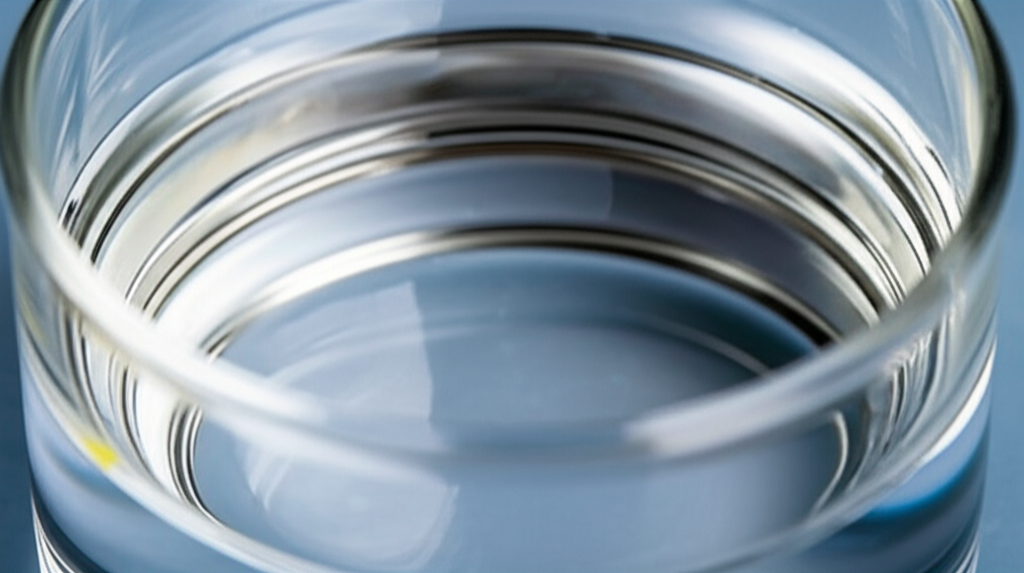
Glycerin, also known as glycerol, is a simple polyol compound. It is a colorless, odorless, viscous liquid that is sweet-tasting and non-toxic. Glycerin features a chemical structure with three hydroxyl groups, making it soluble in water and hygroscopic, meaning it absorbs moisture from the air. Glycerin can be derived from both natural and synthetic sources. It is often obtained as a byproduct of soap production (saponification) or biodiesel production, where fats and oils are hydrolyzed. Plant-based sources like soybean, palm, or coconut oil, as well as animal fats, are common starting materials. Synthetic glycerin can be produced from propylene. In food, glycerin is used as a humectant to retain moisture, as a solvent, and as a sweetener. It's found in a variety of products, including baked goods, processed foods, and beverages. It is also used as a texturizer and thickener.
Ready to Check Another Food?
Use our tool to get an instant analysis of ingredients and Halal status.
Try It NowHow to verify
Check for Halal certification on the product, contact the manufacturer about the source, or choose a certified alternative when available.