
Is Kimchi Halal?
Analysis for: Kimchi
Based on the provided information.
Reasoning:
Kimchi is made from fermented vegetables, typically including cabbage, radish, and scallions. The uncertainty arises from the potential use of non-Halal ingredients in the fermentation process, such as alcohol (used to boost fermentation or flavor), or cross-contamination with Haram ingredients during production. Additionally, some kimchi recipes may include seafood ingredients like fish sauce or shrimp paste, which may be considered Haram by some Muslims.
What is Halal?
Halal means permissible; Haram means forbidden. For the full guide on Islamic dietary principles, certification, and reading labels, visit our guide.
Read the full Halal guide →What is Kimchi?
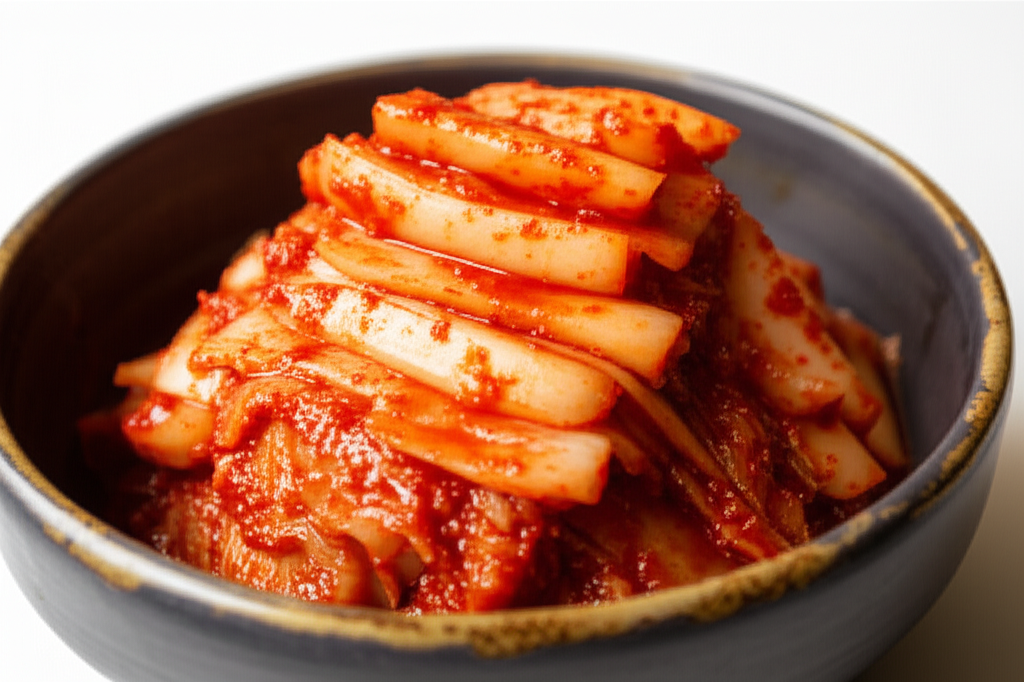
Kimchi is a staple in Korean cuisine, traditionally made through the fermentation of vegetables, most commonly napa cabbage and Korean radish, with a variety of seasonings. These seasonings can include gochugaru (Korean chili powder), garlic, ginger, scallions, jeotgal (salted seafood), and other spices. There are hundreds of varieties of kimchi, each region and even household often having its own unique recipe. Originating in Korea, kimchi dates back centuries as a method of preserving vegetables for consumption during the winter months. The fermentation process not only extends the shelf life of the vegetables but also develops a distinctive sour and spicy flavor profile. Today, kimchi is enjoyed as a side dish, condiment, or ingredient in numerous Korean dishes such as kimchi jjigae (kimchi stew), kimchi fried rice, and various noodle dishes.
Ready to Check Another Food?
Use our tool to get an instant analysis of ingredients and Halal status.
Try It NowHow to verify
Check for Halal certification on the product, contact the manufacturer about the source, or choose a certified alternative when available.