
Is Sushi Halal?
Analysis for: Sushi
Based on the provided information.
Reasoning:
Sushi can be Halal if it contains Halal ingredients such as permissible seafood and rice. However, it becomes Haram if it contains Haram ingredients like pork, alcohol (in sauces or preparation), or non-Zabiha meat. Cross-contamination is also a concern if prepared in a facility that handles Haram ingredients.
What is Halal?
Halal means permissible; Haram means forbidden. For the full guide on Islamic dietary principles, certification, and reading labels, visit our guide.
Read the full Halal guide →What is Sushi?
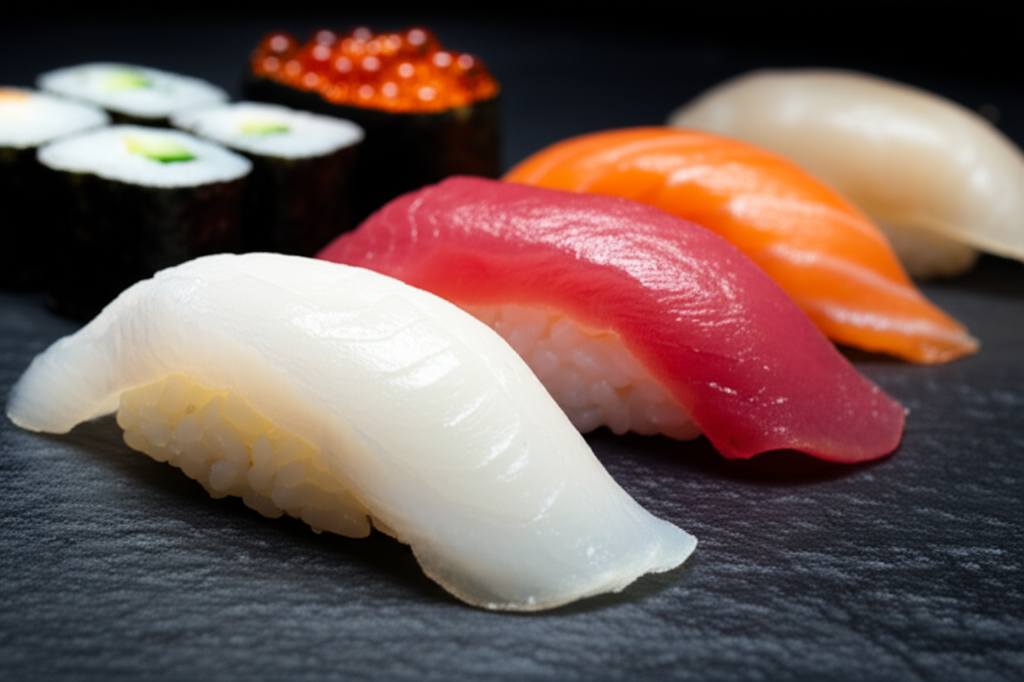
Sushi is a Japanese dish consisting of cooked vinegared rice (sushi-meshi) combined with other ingredients, such as seafood, vegetables, and occasionally tropical fruits. These ingredients can be raw or cooked. While often associated with raw fish, many types of sushi actually contain cooked ingredients, and vegetarian options are widely available. Sushi originated in Southeast Asia, where fish was preserved in fermented rice, and this preservation method was introduced to Japan. Over time, the fermentation process was shortened and eventually omitted, with the rice becoming a key component of the dish itself. Sushi is a versatile food and is commonly served in various forms, including nigiri (sliced fish over rice), maki (rolled sushi), and temaki (hand-rolled sushi). It's typically accompanied by condiments like soy sauce, wasabi (Japanese horseradish), and gari (pickled ginger). Sushi is a popular dish worldwide, enjoyed in restaurants and homes, and is often associated with Japanese cuisine. It can be served as a snack, appetizer, or main course.
Ready to Check Another Food?
Use our tool to get an instant analysis of ingredients and Halal status.
Try It NowHow to verify
Check for Halal certification on the product, contact the manufacturer about the source, or choose a certified alternative when available.