

Pakistani kitchen
Halal Pakistani recipes
In Pakistan the meat in these dishes is Halal by default. The checks start when you cook them somewhere else: where the chicken or mince came from, what the ghee is made of, and what is in the jelly and the ice cream. Each recipe names that check and links to the ingredient page behind it.
How we research these recipes Each method follows published technique for the dish, and every Halal substitution is checked against the ingredient pages we cite. Photographs come from our ingredient library rather than the finished dish.
What you're replacing
Meal
7 recipes
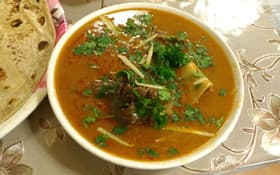
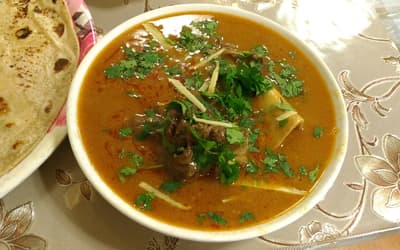
- Beef nihari Sourcing & fats Instead of Uncertified beef shank use Halal beef shank, or Halal lamb shanks (about 3 hours) Nihari is a beef dish in Pakistan, where the meat is Halal by default; abroad the shank, the marrow bones and the ghee all need a Halal source.
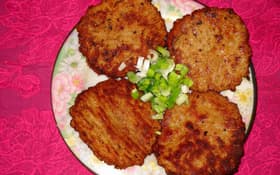
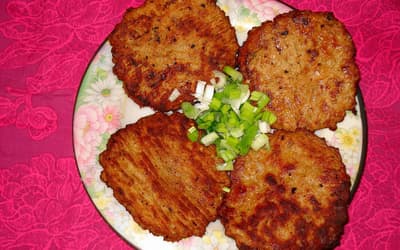
- Chapli kebab Sourcing & fats Instead of Supermarket beef dripping or lard use Beef fat rendered from Halal trimmings, butter ghee, or vegetable oil Chapli kebabs are traditionally fried in beef fat; outside Pakistan, supermarket dripping is rarely from Halal slaughter, and the mince needs a Halal source too.
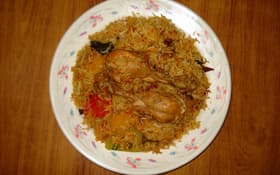
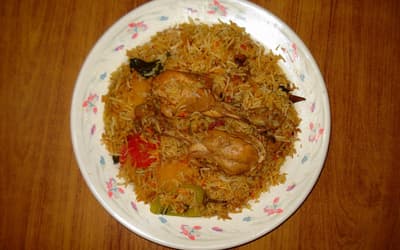
- Chicken biryani Sourcing & fats Instead of Uncertified chicken use Halal chicken, or Halal mutton cooked 40 minutes longer in the masala Biryani is Halal when the chicken is; the other checks are the ghee, shop biryani masala, and flavour essences such as kewra that can use alcohol as a carrier.
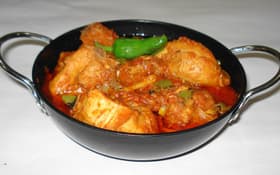
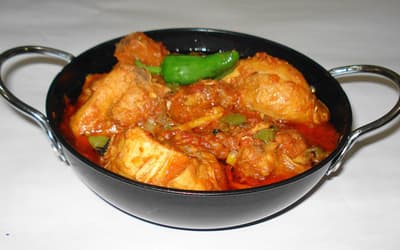
- Chicken karahi Sourcing & fats Instead of Uncertified supermarket chicken use Halal-slaughtered chicken from a Halal butcher Karahi is Halal where the chicken is Halal-slaughtered; outside Pakistan, check the chicken, and check that the ghee is butter ghee, not a blended animal fat.
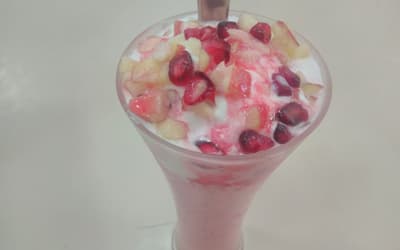
- Falooda Gelatin & rennet Instead of Gelatin jelly crystals use Agar-agar jelly, made in 30 minutes The jelly cubes in falooda are usually gelatin, and shop ice cream and kulfi can contain gelatin or E471 of animal origin.
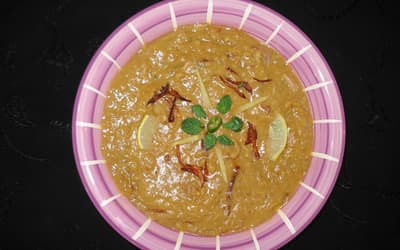
- Haleem Sourcing & fats Instead of Uncertified beef use Halal beef, Halal mutton, or Halal chicken thigh (1 hour) Haleem is mostly grain and lentils, but the meat that gives it body must be Halal, and shop haleem mixes and restaurant ghee still need a look.
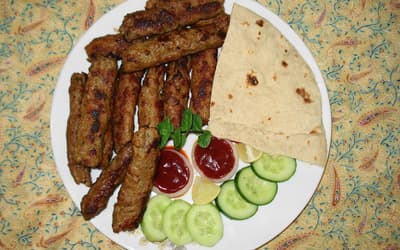
- Seekh kebab Sourcing & fats Instead of Supermarket mince of unknown slaughter use Halal beef or lamb, minced by a Halal butcher Mince is the hardest meat to trace: supermarket and frozen kebabs can be non-Halal meat or mixed on shared equipment, so the whole dish rests on where the mince came from.
No recipes match these filters.
Where the Halal check sits
Meat comes first. Karahi, biryani, nihari and haleem are only as Halal as the chicken, beef or mutton bought for them, so use a Halal butcher or a certified pack. Mince is the hardest meat to trace, which is why the seekh kebab and chapli kebab recipes start at the butcher's counter.
Fat is second. Ghee made from butter is fine; blended vegetable ghee and catering fats are worth a look at the label. Chapli kebabs are traditionally fried in beef fat, and supermarket dripping outside Pakistan is rarely from Halal slaughter.
Desserts and flavourings are the quiet ones. Falooda jelly is usually gelatin, shop ice cream can carry gelatin or E471, and kewra or rose essence can use alcohol as a carrier where kewra water does not.
Words you will see in the methods
Bhuna is frying the spices and meat until the oil separates at the edges; it is what makes a karahi taste finished. Dum is sealing the pot and steaming on the lowest heat, the last stage of a biryani. Tarka is spices or onions fried in hot ghee and poured over a dish at the end, as on nihari and haleem.
What to cook first
For a weeknight, chicken karahi takes under an hour, and seekh or chapli kebabs can be shaped ahead and frozen. Chicken biryani is a weekend project. Nihari and haleem are slow dishes for a day at home or a Ramadan iftar, and falooda is the summer glass to finish with.

