
Is Balsamic Vinegar Halal?
Analysis for: Balsamic Vinegar
Based on the provided information.
Reasoning:
Balsamic vinegar is typically made from grape must. As long as it is not fermented into alcohol during the production process, it is considered Halal. Most balsamic vinegar production methods ensure it remains within permissible limits.
What is Halal?
Halal means permissible; Haram means forbidden. For the full guide on Islamic dietary principles, certification, and reading labels, visit our guide.
Read the full Halal guide →What is Balsamic Vinegar?
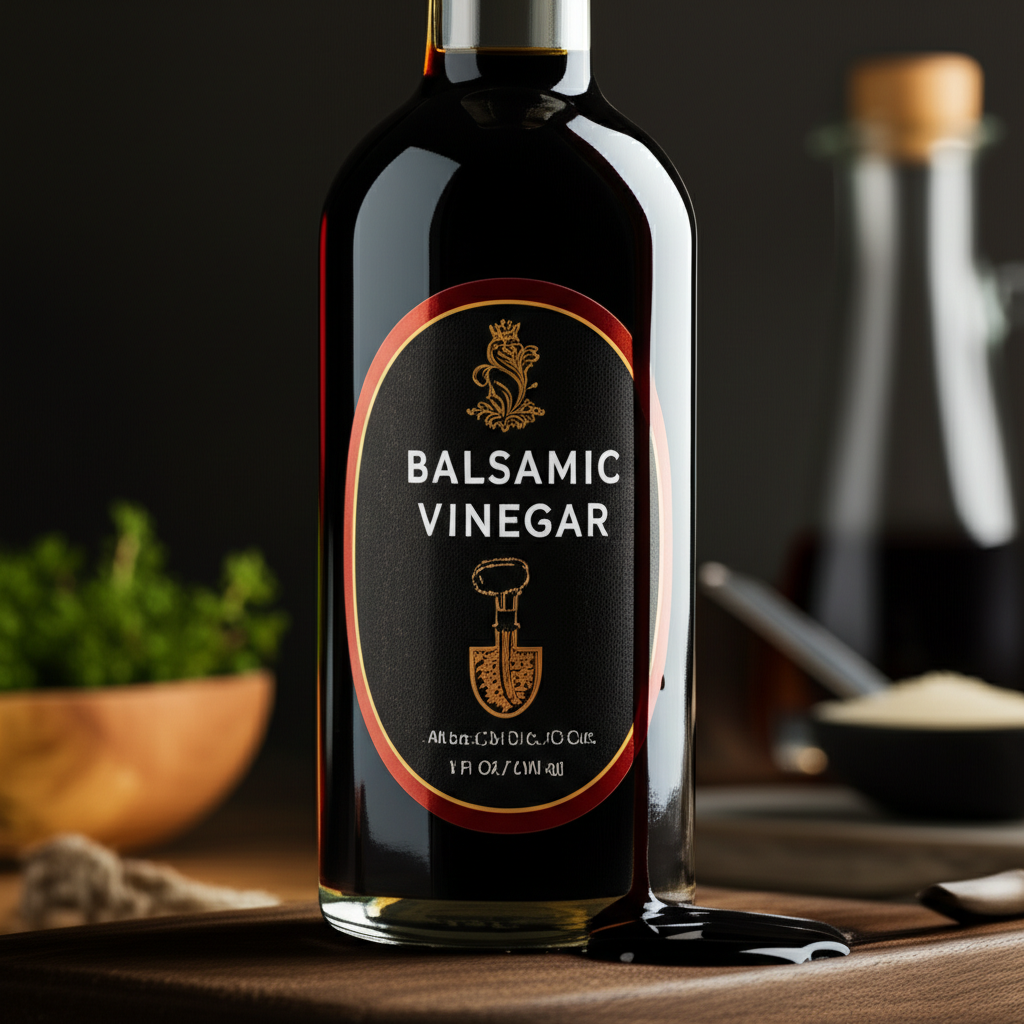
Balsamic vinegar is a dark, concentrated vinegar originating from Italy, specifically the Modena and Reggio Emilia regions. It is traditionally made from white Trebbiano grape juice, reduced by boiling, and then aged for a minimum of 12 years in a series of wooden barrels, each made of different woods like oak, chestnut, cherry, ash, and mulberry. This process concentrates the flavors and sugars, leading to its characteristic sweet and tangy taste. The longer the aging process, the more complex and syrupy the vinegar becomes. Balsamic vinegar is a versatile condiment commonly used in a variety of culinary applications. High-quality balsamic vinegar is often drizzled over salads, grilled meats, and cheeses as a finishing touch. It is also used to create balsamic reductions, glazes, and marinades. The acidity and sweetness of balsamic vinegar make it a popular ingredient in sauces and dressings, adding depth and complexity to dishes.
Ready to Check Another Food?
Use our tool to get an instant analysis of ingredients and Halal status.
Try It Now