
Is Jelly Beans Halal?
Analysis for: Jelly Beans
Based on the provided information.
Reasoning:
Jelly beans often contain gelatin, which is derived from animal collagen. If the gelatin is from a Halal-slaughtered animal, it's permissible. However, if it's from a non-Halal animal or pork, it's Haram. Additionally, some jelly beans may contain confectioner's glaze (shellac), which is derived from insects and is considered Haram by some scholars. Without knowing the source of gelatin and other ingredients, it's best to consider it uncertain.
What is Halal?
Halal means permissible; Haram means forbidden. For the full guide on Islamic dietary principles, certification, and reading labels, visit our guide.
Read the full Halal guide →What is Jelly Beans?
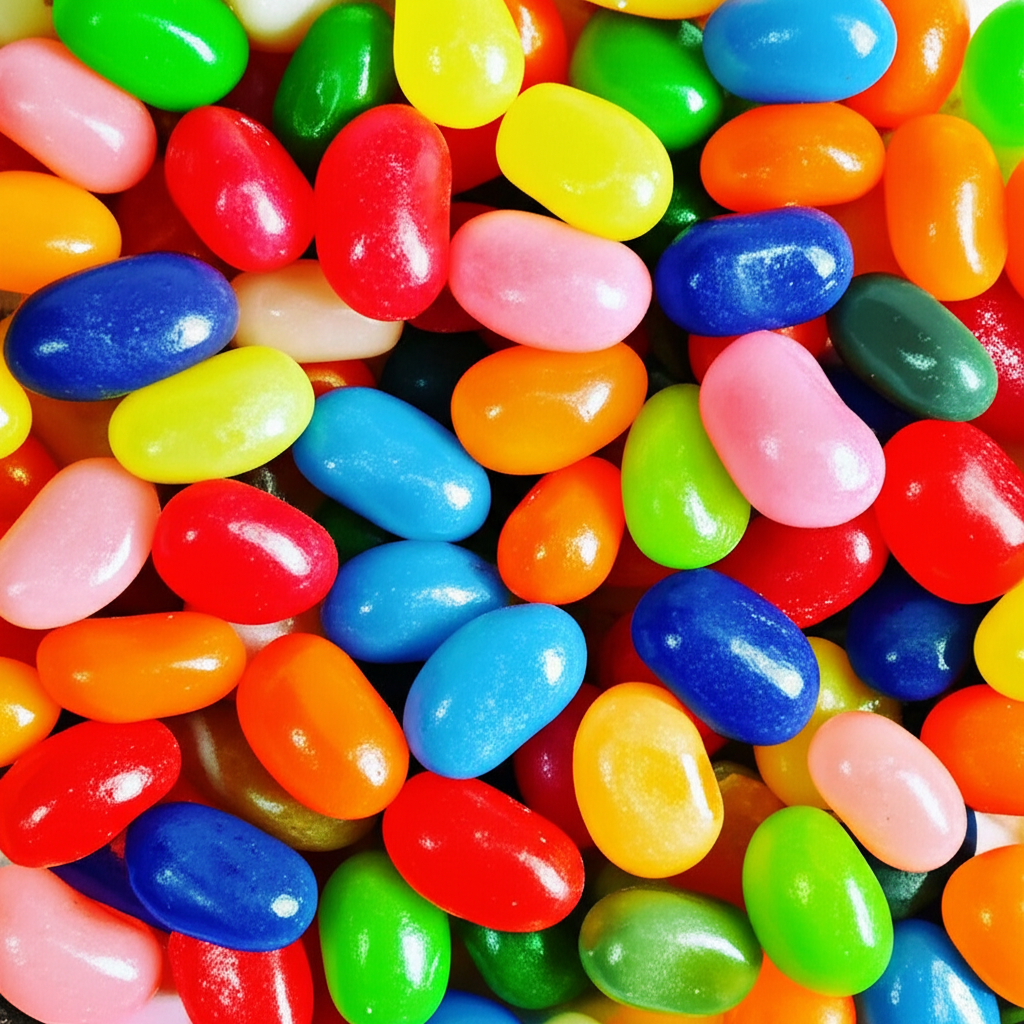
Jelly beans are a type of confectionery, characterized by their firm, jelly-like center and a smooth, often brightly colored outer shell. The shell is typically made of sugar and starch, while the inside is a thickened sugar syrup flavored with various fruit or spice extracts. They come in a wide array of flavors, from traditional fruit flavors like cherry and lemon to more novel and exotic combinations. The origin of jelly beans is somewhat debated, but they are believed to have evolved from earlier candy forms like Turkish delight and Jordan almonds. They gained popularity in the United States in the early 20th century and have since become a staple candy, particularly associated with holidays such as Easter. Jelly beans are primarily consumed as a snack, but they are also sometimes used for decorative purposes in baking and confectionery.
Ready to Check Another Food?
Use our tool to get an instant analysis of ingredients and Halal status.
Try It NowHow to verify
Check for Halal certification on the product, contact the manufacturer about the source, or choose a certified alternative when available.