Is Rennet Halal?
Analysis for: Rennet
Based on the provided information.
Reasoning:
Rennet can be derived from animal sources (typically calves), in which case it would only be Halal if the animal was slaughtered according to Islamic guidelines. It can also be derived from microbial or genetically engineered sources, which are generally considered Halal. Without knowing the source of the rennet, it is uncertain.
What is Halal?
Halal means permissible; Haram means forbidden. For the full guide on Islamic dietary principles, certification, and reading labels, visit our guide.
Read the full Halal guide →What is Rennet?
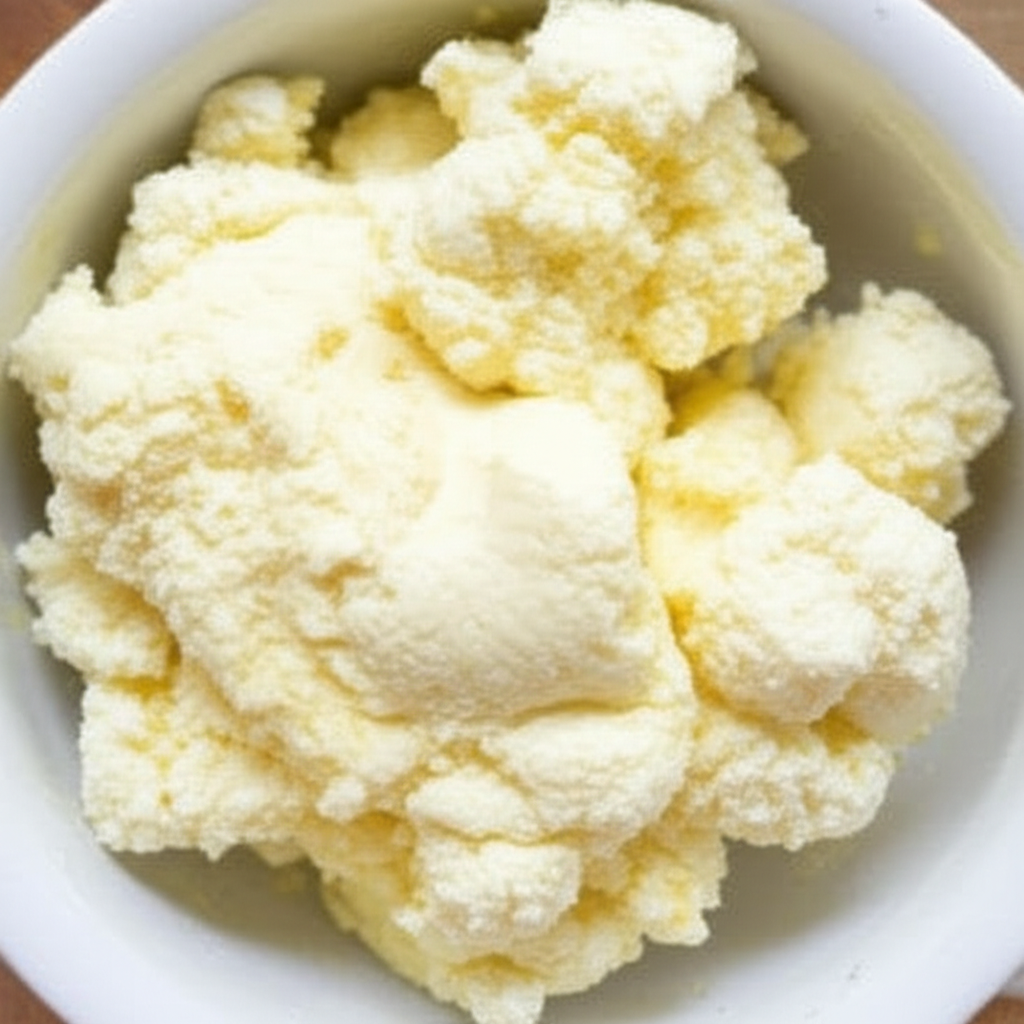
Rennet is a complex of enzymes used in the production of cheese, helping to coagulate milk and separate the curds from the whey. The key enzyme in rennet is chymosin, also known as rennin. This enzyme specifically targets and breaks down the kappa-casein protein in milk, leading to the formation of a solid curd. Traditionally, rennet is derived from the lining of the fourth stomach chamber (the abomasum) of young, unweaned calves. This source is known as animal rennet. However, there are also microbial rennets (derived from fungi or bacteria), vegetable rennets (from plants like thistle, nettle, or fig), and genetically engineered or fermentation-produced chymosin (FPC) available. Rennet is essential for making most hard cheeses, such as cheddar, parmesan, and mozzarella, as well as some soft cheeses.
Ready to Check Another Food?
Use our tool to get an instant analysis of ingredients and Halal status.
Try It NowHow to verify
Check for Halal certification on the product, contact the manufacturer about the source, or choose a certified alternative when available.