
Is Vinegar Halal?
Analysis for: Vinegar
Based on the provided information.
Reasoning:
Vinegar is produced through the fermentation of ethanol by acetic acid bacteria. The transformation from alcohol to acetic acid renders it Halal.
What is Halal?
Halal means permissible; Haram means forbidden. For the full guide on Islamic dietary principles, certification, and reading labels, visit our guide.
Read the full Halal guide →What is Vinegar?
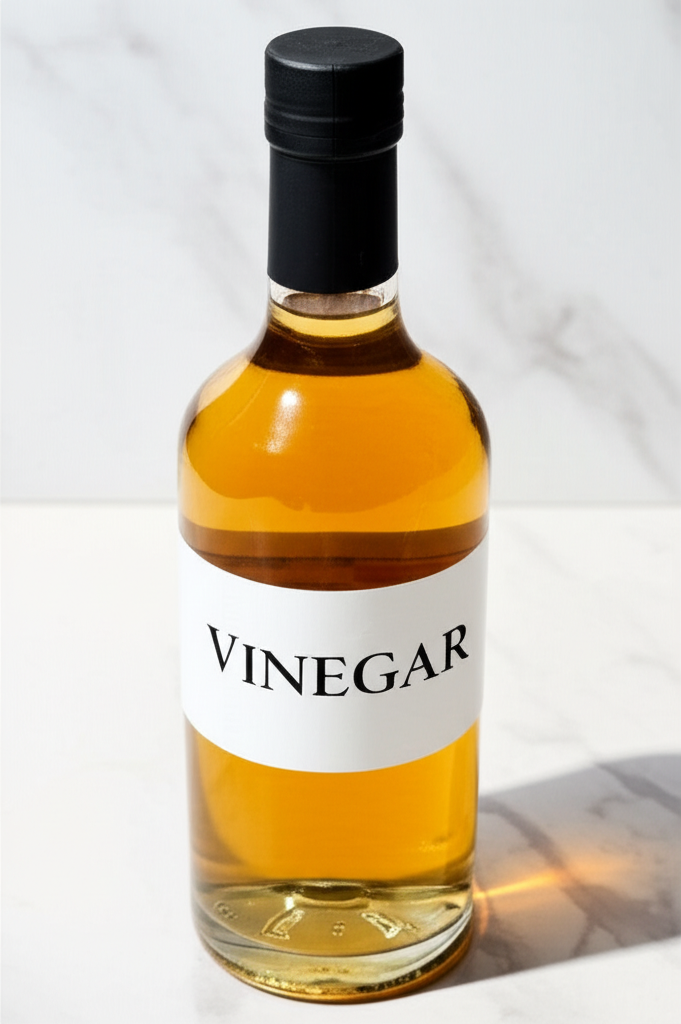
Vinegar is a liquid produced through the fermentation of ethanol by acetic acid bacteria. This process transforms ethanol into acetic acid, which gives vinegar its characteristic sour taste and distinct aroma. The source of ethanol can vary widely, including fruits, grains, and other sugary or starchy substances. Different sources result in different types of vinegar, such as apple cider vinegar, balsamic vinegar, rice vinegar, and white distilled vinegar. Vinegar has a long history of use in culinary applications around the world. It is commonly employed as a condiment, adding acidity and flavor to dishes. It is also used as a key ingredient in salad dressings, marinades, and sauces. Vinegar's acidic properties make it useful as a pickling agent, preserving foods by inhibiting the growth of spoilage bacteria. Beyond culinary uses, vinegar has applications in cleaning and certain traditional remedies.
Ready to Check Another Food?
Use our tool to get an instant analysis of ingredients and Halal status.
Try It Now