
Is Gelatin Halal?
Analysis for: Gelatin
Based on the provided information.
Reasoning:
Gelatin can be derived from various sources, including pork (Haram), beef (Halal if slaughtered according to Islamic guidelines, otherwise Haram), or fish (generally considered Halal). Without knowing the specific source and processing method of the gelatin, it's uncertain whether it's Halal.
What is Halal?
Halal means permissible; Haram means forbidden. For the full guide on Islamic dietary principles, certification, and reading labels, visit our guide.
Read the full Halal guide →What is Gelatin?
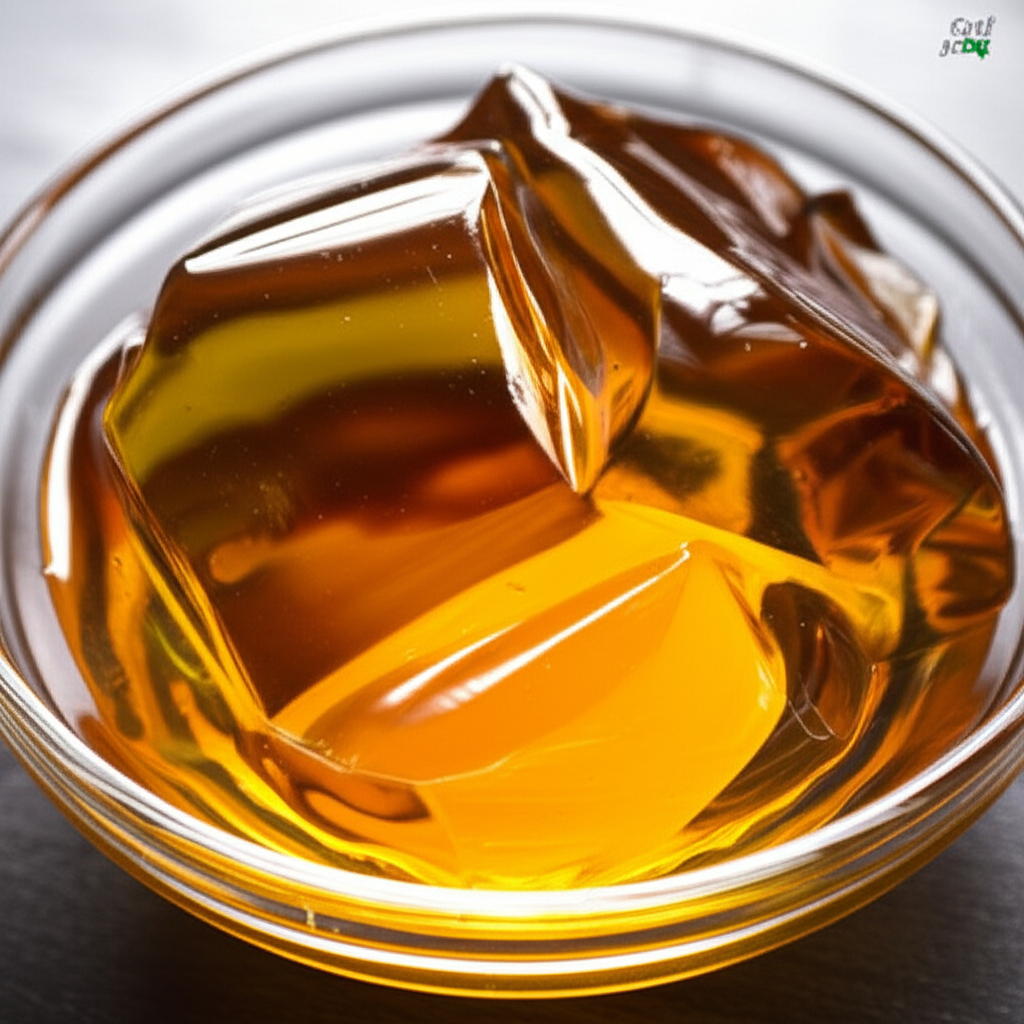
Gelatin is a translucent, colorless, flavorless food ingredient derived from collagen obtained from various animal by-products. These by-products often include skin, bones, and connective tissues. The collagen is processed to extract the gelatin, which is a protein. This process involves hydrolysis, breaking down the collagen into smaller peptides.
Gelatin is widely used as a gelling agent in food, pharmaceuticals, photography, and cosmetic manufacturing. Common food applications include desserts such as jellies and puddings, gummy candies, marshmallows, and as a stabilizer in ice cream and yogurt. It can also be used to clarify juices and wines. In pharmaceutical applications, gelatin is used to make capsules and coatings for tablets.
According to the Islamic Fiqh Council, it is permissible to use gelatin extracted from animals slaughtered in the prescribed manner, and it is not permissible to extract it from haram sources such as the skin and bones of pigs. When alternatives are available from halal sources, there is no need to use gelatin from haram sources.
Quranic guidance
-
Surah Al-Ma'idah 5:3
"Forbidden to you are dead animals, blood, the flesh of swine, and that which has been dedicated to other than Allah."
Where you'll find it
Gummy candies and marshmallows, Jellies, puddings, and desserts, Yogurt and ice cream, Pharmaceutical capsules, Chewing gum, Some juices and wines (clarification)
Scholarly note
Some scholars debate whether gelatin undergoes complete chemical transformation (istihalah) that would make even pork-derived gelatin permissible. However, most halal certification bodies and contemporary scholars reject this view, maintaining that gelatin from haram sources remains haram. Alternatives from halal sources are widely available.
Frequently asked questions
- Is pork gelatin Halal?
- No. Gelatin derived from pork is strictly forbidden (haram) according to Islamic scholars. The Quran explicitly prohibits consuming pork and its derivatives.
- Is fish gelatin Halal?
- Yes. Fish gelatin is widely regarded as Halal by most Islamic scholars. Fish does not require ritual slaughter (Zabiha) in Islam.
- What about beef gelatin?
- Beef gelatin is Halal only if the cattle were slaughtered according to Islamic law. In Western markets, most beef gelatin comes from conventionally slaughtered animals and is not Halal unless certified.
- What are Halal alternatives to gelatin?
- Plant-based alternatives include agar-agar (from seaweed), pectin (from fruit), and carrageenan. Fish gelatin is also a permissible option.
Ready to Check Another Food?
Use our tool to get an instant analysis of ingredients and Halal status.
Try It NowHow to verify
Look for products labeled 'Halal gelatin', 'fish gelatin', or 'beef gelatin (Halal)'. Plant-based alternatives include agar-agar, pectin, and carrageenan. Check our entries on marshmallows and gummy bears for product-specific guidance.