

Food list
What foods are not Halal?
Pork in any form, blood, carrion, meat slaughtered in the name of other than Allah, and intoxicating drinks. Below are the 47 foods our checks rate Haram, the label ingredients that can come from pork, and the foods scholars differ on. Each links to its sources.
What does Haram mean?
Haram (حرام) is Arabic for “forbidden”: what Islamic law prohibits, whether a food, a drink or an act such as gambling (Qur’an 5:90). Its opposite is Halal (حلال), “permitted”. The Qur’an describes the Prophet ﷺ as one who “permits for them what is lawful and forbids to them what is impure” (7:157), and warns against declaring things lawful or unlawful on one’s own say-so (16:116).
For food, the Haram list is short, and it is set out below. Most real questions are about where an ingredient came from or how an animal was slaughtered.
Halal vs Haram, and the doubtful middle
The Prophet ﷺ said: “The lawful is evident and the unlawful is evident, and between them are doubtful matters that many people do not know. Whoever avoids these dubious things protects his faith and reputation” (Sahih al-Bukhari 52, also reported by Muslim). Those doubtful things are often called mashbooh. On this site they are the foods rated Halal if verified: Halal from one source and Haram from another, such as gelatine or E471. Our five verdicts explain each rating.
The rules behind the list
- Pork and everything made from the pig: meat, fat, gelatine. Qur’an 2:173, 5:3
- Blood, as in blood sausage. Qur’an 2:173
- Carrion: an animal that died without being slaughtered. Qur’an 5:3
- Meat not slaughtered in Allah’s name, or slaughtered in the name of another. Qur’an 6:121, 2:173
- Intoxicants: wine and every intoxicating drink. Qur’an 5:90
Someone compelled by extreme hunger, not intending to sin, is not blamed (Qur’an 2:173, 5:3). For how rulings are reached, see the Halal guide.
Pork and foods made from it
-
Pork Haram
Pork is forbidden in four verses of the Qur'an, with its fat, gelatin and other derivatives.
-
Bacon Haram
Traditional bacon is cured pork.
-
Ham Haram
Ham is cured pork, and pork is forbidden in the Qur'an.
-
Prosciutto Haram
Prosciutto is dry-cured pork leg, and curing does not change pork.
-
Lard (Pork Fat) Haram
Lard is rendered pork fat, and every part of the pig is forbidden in the Qur'an.
-
Pork Gelatin Haram
Pork gelatin comes from pig skin and bones, and all four Sunni schools forbid it.
-
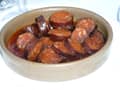
Chorizo Haram
Spanish and Mexican chorizo are traditionally pork sausage seasoned with paprika.
-
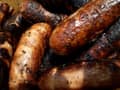
Maltese Sausage Haram
Traditional Maltese sausage (zalzett tal-Malti / zalzett) is a fresh or cured pork sausage seasoned with salt, pepper, coriander, and garlic.
-
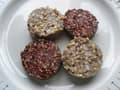
Black Pudding Haram
Black pudding is a British blood sausage, usually pork blood and fat.
-
White Pudding Haram
Irish white pudding is an oatmeal breakfast sausage made with pork meat and fat.
-
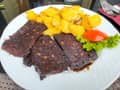
Porceddu Haram
Porceddu is Sardinia's spit-roasted suckling pig, and the potatoes roasted in its drippings are Haram too.
-
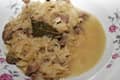
Bigos Haram
Bigos, the Polish hunter's stew, is sauerkraut cooked with pork, smoked sausage, bacon and often red wine.
-
Sheftalia Haram
Sheftalia, the Cypriot grilled sausage, is pork mince wrapped in pig caul fat.
-
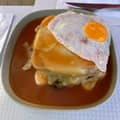
Francesinha Haram
Francesinha, Porto's sandwich, is stacked with cured ham and linguiça pork sausage, and its sauce is made with beer and often port wine.
-
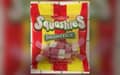
Squashies Haram
Every Squashies flavour lists gelatine, and the official Squashies account says it is pork gelatine.
-
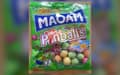
Maoam Haram
Haribo UK says its UK range, Maoam included, uses gelatine from pork.
-
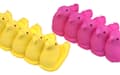
Peeps Haram
Just Born, the maker, says the gelatin in Peeps marshmallow candies is derived from pork.
-
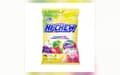
Hi-Chew Haram
Morinaga's US FAQ says Hi-Chew contains pork gelatin, and pack lists in the US and Europe name gelatin in every flavour we checked.
-
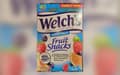
Welch's Fruit Snacks Haram
Welch's Fruit Snacks are made with pork or beef gelatin, Welch's says.
-
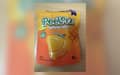
Peelerz Haram
UK Peelerz packs list pork gelatine; US packs list gelatin without naming the animal.
-
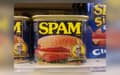
Spam Haram
SPAM Classic and its standard varieties are pork with ham.

Alcoholic drinks
-
Wine Haram
Wine is the khamr the Qur'an forbids, and that includes wine cooked into food.
-
Beer Haram
Beer is an intoxicating drink, and every intoxicant is khamr under Qur'an 5:90 and the hadith.
-
Guinness Haram
Guinness is an Irish stout, an intoxicating beer, and every intoxicant is khamr.
-
Cider Haram
Hard cider is fermented apple juice with alcohol, an intoxicant.
-
Champagne Haram
Champagne is sparkling wine at about 12% alcohol, and wine is the khamr the Qur'an forbids.
-
Cava Haram
Cava is Spanish sparkling wine at about 11-12% alcohol, and wine is khamr.
-
Gin Haram
Gin is a juniper-flavoured distilled spirit bottled at 40% alcohol or more, and every intoxicant is khamr.
-
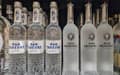
Vodka Haram
Vodka is a distilled spirit at 35–50% alcohol, a concentrated form of khamr.
-
Rum Haram
Rum is a distilled alcoholic spirit made from sugarcane juice or molasses.
-
Whiskey Haram
Whisky, bourbon and rye are distilled spirits, usually 40% alcohol or more, and every intoxicant is khamr.
-
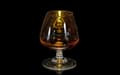
Brandy Haram
Brandy is a spirit distilled from wine or fermented fruit at 35–60% alcohol.
-
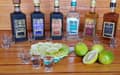
Tequila Haram
Tequila is a distilled agave spirit at 35–55% alcohol, khamr like all liquor.
-
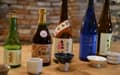
Sake Haram
Sake is a Japanese alcoholic beverage brewed from rice, koji mold, water, and yeast.
-
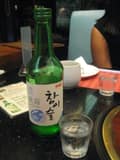
Soju Haram
Soju is a Korean distilled spirit, usually 13–25% alcohol.
-
Tsikoudia Haram
Tsikoudia, Crete's grape-pomace spirit also called raki, is about 40% alcohol.

Other intoxicants
-
Kava Haram
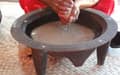
Fatwas from Darul Uloom Deoband, Darul Ifta Australia and IslamWeb treat kava, the Pacific root drink, as an intoxicant that Muslims may not drink.
Meat that its seller says is not Halal
-
Flat Iron Haram
Flat Iron's own FAQ says 'Our beef is not halal.
-
Wahaca Haram
Wahaca's FAQ says it doesn't serve Halal meat.
-
Miller & Carter Haram
Miller & Carter's FAQ says none of the meals on its menus are prepared or cooked to a Halal standard.
-
Chick-fil-A Haram
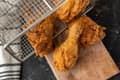
Chick-fil-A says none of its menu items meet Halal standards, and its UK restaurants make no Halal claim.
-
Toby Carvery Haram
Toby Carvery's FAQ says none of the meals on its menus are prepared or cooked to a Halal standard.
-
Zizzi Haram
Zizzi's FAQ says it is not a Halal or Kosher restaurant: all its restaurants serve pork and beef, with no Halal handling policies.
-
ASK Italian Haram
ASK Italian's FAQ says it is not a Halal or Kosher restaurant: all its restaurants serve pork and beef, with no Halal handling policies.
-
Prezzo Haram
Prezzo's FAQ says it does not currently offer Halal meat at its restaurants.
-
TGI Fridays Haram
TGI Fridays UK's FAQ says it does not currently offer Halal produce in its restaurants.
-
Texas de Brazil Haram
Texas de Brazil buys Halal lamb but cooks all meats, pork included, on the same skewers, so it says the cooked lamb is not Halal.

On labels: can come from pork or another non-Halal source
Not Haram in themselves, but the source decides. A Halal mark, or a plant or Halal-animal source named on the pack, settles it.
-
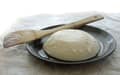
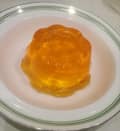
Gelatin Halal if verified
Gelatin (often nicknamed E441 in older/informal additive lists) is collagen protein from animal skins/bones.
-
E471 (Mono- and Diglycerides) Halal if verified
E471 (emulsifier 471, INS 471) is Halal from plant oils, Haram from pork or non-zabiha fat.
-
L-Cysteine Halal if verified
L-cysteine (E920) is a dough conditioner that may be made from human hair, feathers, porcine bristles, or synthetic/microbial routes.
-
Glycerin (Glycerol, E422) Halal if verified
Glycerin (glycerol, E422) can be plant (palm/soy/coconut), synthetic, or animal-fat derived.
-
Pepsin Halal if verified
Pepsin is a proteolytic enzyme historically extracted from animal stomachs—very often pigs.
-
Collagen Halal if verified
Collagen comes from cattle, fish or pigs.
-
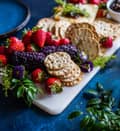
Natural Flavors Halal if verified
'Natural flavor' only means a plant or animal origin, not Halal.

Not Halal in some schools
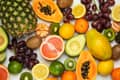
Haram in at least one school and Halal in others. Each page sets out the schools’ views.
-
Shellfish Scholarly difference
Shellfish is a category (crustaceans and mollusks), not one animal.
-
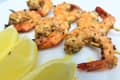
Shrimp (Prawns) Scholarly difference
Shafi'i, Maliki and Hanbali scholars permit shrimp as sea food; many Hanafi authorities do not treat it as fish.
-
Crab Scholarly difference
The Maliki and Hanbali schools permit crab; the Hanafi school, the stronger Shafi'i view and Ja'fari law do not.
-
Lobster Scholarly difference
Shafi'i, Maliki and Hanbali scholars permit lobster as sea food; Hanafis limit seafood to fish.
-
Octopus Scholarly difference
Maliki, Shafi'i and Hanbali rulings treat octopus as Halal sea food; Hanafis who limit seafood to fish do not.
-
Squid Scholarly difference
Shafi'i, Maliki and Hanbali practice treats squid as lawful sea food; named Hanafi answers limit seafood to fish and do not permit it.
-
Eel Scholarly difference
Hanafi and other Sunni rulings treat eel as a permissible fish; Ja'fari rulings do not.
-
Crocodile Scholarly difference
One view treats crocodile as a permitted water animal; another forbids it as a fanged predator.
-
Escargot Scholarly difference
The Maliki school permits land snails; the Hanafi, Shafi'i and Hanbali schools do not.
-
Rennet Scholarly difference
Pork rennet is Haram and microbial rennet is fine; animal rennet from non-Halal slaughter is a recognised difference between the schools.
-
Carmine (Cochineal, E120) Scholarly difference
Carmine (E120, cochineal) is a red dye from insects.
-
Nutmeg Scholarly difference
An intoxicating amount of nutmeg is forbidden by agreement; Egypt's and Jordan's fatwa bodies allow a little to flavour food, others forbid any.
-
Kangaroo Scholarly difference
Taqi Usmani and Darul Ifta Birmingham permit kangaroo if Islamically slaughtered; Deoband forbids it.
-
Frog Scholarly difference
Hanafis, Shafi'is and Hanbalis forbid frog, as Egypt's Dar al-Ifta does; Malik and some early scholars permitted it.
Not on the list?
Search a food or scan a label. For sweets in UK shops, see Halal sweets in the UK.
Photo credits
- Shark2025 · CC BY-SA 4.0
- THISISN'TBACON2021 · CC BY-SA 4.0
- Anna.Massini · CC BY 4.0
- Indrajit Das · CC BY-SA 4.0
- Peter G Werner · CC BY 2.5
- Ineffablebookkeeper · CC BY-SA 4.0
- Sarah Shreeves from USA · CC BY 2.0
- 彩色琪子 · CC BY-SA 3.0
- logikblok · CC BY-SA 4.0
- Open Food Facts contributors · CC BY-SA 3.0
- Open Food Facts contributors · CC BY-SA 3.0
- Open Food Facts contributors · CC BY-SA 3.0
- Open Food Facts contributors · CC BY-SA 3.0
- Open Food Facts contributors · CC BY-SA 3.0
- Open Food Facts contributors · CC BY-SA 3.0
- Eva K. on Commons / Eva K. on German Wikipedia · CC BY-SA 2.5
- Lachlan Hardy · CC BY 2.0
- Jon Worth · CC BY 2.0
- Oleslawlama · CC BY-SA 4.0
- JIP · CC BY-SA 3.0
- Didier Descouens · CC BY-SA 3.0
- Cornelius Aveling · CC BY-SA 4.0
- Culture Japon · CC BY-SA 4.0
- Clément Bucco-Lechat · CC BY-SA 3.0
- Dave Lonsdale · CC BY 2.0
- Ewan-M · CC BY-SA 2.0
- Wald1siedel · CC BY-SA 4.0
- Lauri Rantala · CC BY 2.0
- Eximiousincorp · CC BY-SA 4.0
- Food Group from USA · CC BY-SA 2.0
- anokarina from United States · CC BY-SA 2.0
- Andrew Dalby · CC BY-SA 4.0
- Wiki.cullin · CC BY-SA 4.0
- Max.kit · CC BY-SA 4.0
- Anke Klitzing · CC BY-SA 4.0
- Zyance · CC BY-SA 2.5
- Sajith Erattupetta · CC BY 4.0
- Wallslide · CC BY 2.0


